By Nsan Ndoma-Neji, Calabar
After 16 years of comatose, the Cross River States transportation sector has received a breath of fresh air as the Governor Bassey Otu-led administration has deployed electric transportation infrastructure with 10 electric buses and 500 electric tricycles, popularly called “keke,” among others, to cut transport costs for commuters.
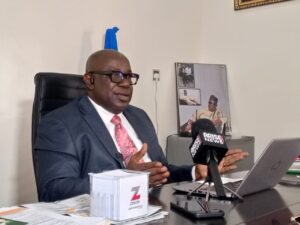
Disclosing this while answering questions from journalists in his office in Calabar, the state Commissioner for Transportation, Pastor Ekpenyong Cobham, said the move aligns with Governor Otu’s plan “to give back to the public servants and the daily commuters, who will get an average of between N300 and N400 savings daily.”
Cobham explained that the state considered CNG but settled for electric infrastructure after weighing options to reduce intercity fares and address carbon credits.
He said, “At some point, we wanted to opt for the CNG. But it was imperative that we need to bring down the cost and try to handle the issue of our carbon credits.
“We then settled for the electric option.”
The commissioner added that the city buses have a battery capacity of “250 kilometers per charge,” making the system “reliable and redeemable.”
He said that the fleet goes beyond the buses and keke, adding that it includes 20 shuttle buses, 200 electric motorcycles, and 10 intercity buses with the capacity to ferry “about 50 passengers each on one tranche.”
Cobham projected sharp fare reductions on key routes across the state.
Using the 8 Miles to Watt Market route as an example, he said, “If you take the cost, it’s about N600.
“When we start floating those infrastructures, we would love to crash it down to between N150 and N200.”
Cobham stressed that operators of the electric keke are also expected to earn more, adding that “any beneficiary of that electric tricycle would be going home with nothing less than N15,000 a day,” and would be saving between N5,000 and N7,000 that would have been spent daily on petrol.
Cobham described the rollout as the “foundation seed that would lead to a completely new era in the transportation ecosystem,” stressing that “the era of fossil fuel is going out.”
On management of the transport venture, the commissioner assured that payments would be “automated” and run by private operators, adding, “Like Metro Blue, no. There’s no birthday cake for anybody.”
Meanwhile, Otu’s aides described the 10 electric buses as “a bold step” after “16 years” of neglect.
He also said that the fast charging stations will double as youth empowerment hubs.
Recalling how he inherited a ministry in a “bad shape” when he assumed duty on August 16, 2023, Cobham said, “I arrived here and I was received by a cashier, accountant and then admin officer.
“That was the whole strength of this ministry, two staff.”
He enthused that reforms in the sector started with staffing before tackling the “inherent impunity in the driving culture” and “criminality, perpetrated by ‘one chance’ drivers and all of that.”
For long-term planning, the state engaged Planet Projects, consultants to the World Bank, for a pre-feasibility study.
The commissioner further revealed that through PPPs, investors will build a “4,000-capacity trailer park” at Odukpani/Akamkpa to decongest Calabar, with West African Terminal as preferred bidders.
He enumerated other pipeline projects to include the Grand Littoral Rail Project, which Cobham said Otu’s administration will pursue despite “federal bottlenecks which had hindered requisite approvals.”